Complete US Tax Guide for US Citizens Living Abroad: Filing Your 2025 Tax Return
If you’re a US citizen or Green Card holder living outside the US in 2026, you’ll likely need to file a US tax return.
The good news? Although the US taxes worldwide income, most people abroad don’t end up paying any US tax at all. With the right exclusions and credits in place, double taxation is rare — and that’s exactly what we help you avoid.
Where should we send your free guide?

Let’s go through the key questions most expats ask, one at a time.
Do US expats need to file a return for tax year 2025?
Yes. If your worldwide income for 2025 is above the IRS filing thresholds, you must file a US tax return in 2026 even if you live abroad. The 2025 tax year thresholds are:
- US$15,750 for single filers
- US$31,500 for married filing jointly
- US$23,625 for head of household
- US$5 for married filing separately with a foreign spouse
- US$400 for self-employed
These thresholds rise slightly every year with inflation. Many expats end up needing to file without realizing it, especially if their foreign salary converts to a higher amount in US dollars.
What life situations change how you file as an expat?
Moving abroad doesn’t just change where you live; it can also change how your US taxes work. A lot of expats assume their setup is straightforward, but some scenarios can shift your filing requirements, such as:
- A mid-year move
- Working remotely for a US employer
- Being married to a non-US spouse
- Moving to a high/low tax country
Each situation affects your taxes differently, so it helps to understand your category early. That way, you avoid mistakes and claim the benefits you’re entitled to.

What IRS forms do expats usually need?
Federal tax forms get more complex once you move abroad. Once you live overseas, the IRS may require more forms than a typical US tax return. Most expats who will file in 2026 will work with a mix of:
- Form 1040
- Form 2555 (Foreign Earned Income Exclusion)
- Form 1116 (Foreign Tax Credit)
- Schedule C & SE (if self-employed)
Other expats with foreign assets or business interests will be required to file additional forms, like:
You won’t need all of these, but identifying the forms that apply to you is essential. Missing one can lead to significant penalties.

How can US expats avoid double taxation?
Most expats worry about being taxed twice and for good reason. Fortunately, three major tools exist to protect you in the 2025 tax year:
- Foreign Earned Income Exclusion (FEIE): up to US$130,000 excluded
- Foreign Housing Exclusion: up to US$39,000 in qualified expenses
- Foreign Tax Credit: dollar-for-dollar credit for foreign income taxes
No single option fits every expat. The right choice usually comes down to two factors:
- How your country taxes income, and
- The type of income you earn.
Each path leads to a different strategy. The full guide walks through each scenario more slowly.
Do self-employed expats still pay US taxes?
Yes. Self-employed expats generally owe US self-employment tax at a rate of 15.3% unless they live in a country that has a Social Security agreement (a ‘totalization agreement’) with the US.
If you run a business abroad, work as a contractor, or operate a foreign company, the rules shift again.

Have another tax question in mind? Contact us now with your message.
What are the deadlines for filing 2025 US taxes?
Expats get extra time automatically:
- March 15, 2026: 3520 and 520-A foreign trust filing deadline
- April 15, 2026: standard deadline
- June 15, 2026: automatic extension for expats
- October 15, 2026: extension with Form 4868
- October 15, 2026: FBAR deadline
These dates may seem straightforward, but they become more important if you’re qualifying for FEIE or catching up on old returns.
What income must expats report to the IRS?
Even while living overseas, you must report all types of income to the IRS, including:
- Foreign pensions and superannuation
- Rental income
- Dividends and interest
- Crypto transactions
- Sale of foreign property
- Equity compensation
Unexpected tax obligations often come from these income types, especially when foreign pensions or property sales are involved.

What credits and deductions can expats claim in 2025?
Expats can still claim major US tax benefits, including:
- Additional Child Tax Credit (up to $1,700 refundable portion of the US$2,200 per child)
💡 This is the only credit that can put real money back in an expat’s pocket, even with zero tax due.
- Dependent Care Credit
- Education credits (for eligible foreign schools)
- IRA contributions
Credits can be tricky when FEIE is involved, so the downloadable version includes examples showing what happens when you mix the two.
What can’t you claim on your 2025 tax return?
Several credits and relief programs are no longer available for the 2025 tax year, including:
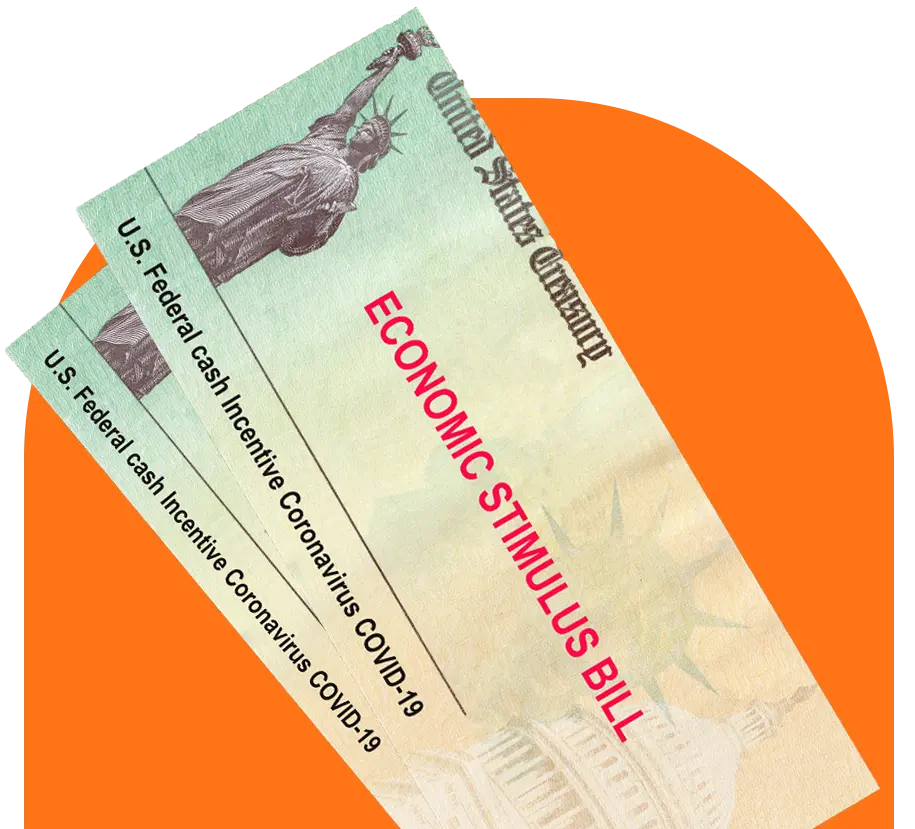
- COVID-19 stimulus payments (EIP & Recovery Rebate Credits)
- 2020 and 2021 Recovery Rebate Credits (final claim windows have closed)
- Pandemic-era relief programs that expired in previous years
- Deductions or exclusions that sunsetted before 2025, unless Congress renews them
What happens if you don’t file as an expat?
Penalties for missing returns or foreign reporting forms add up fast (reaching up to US$50,000), even if you owe US$0 in tax. Forms like FBAR and FATCA come with some of the highest penalties in the US tax system.
If you’re behind, the Streamlined Filing program lets expats file past years and avoid harsh penalties as long as the mistakes were non-willful.
What income must expats report to the IRS?
Even while living overseas, you must report all types of income to the IRS, including:
- Foreign pensions and superannuation
- Rental income
- Dividends and interest
- Crypto transactions
- Sale of foreign property
- Equity compensation
Unexpected tax obligations often come from these income types, especially when foreign pensions or property sales are involved.
Want the complete guide? Download your PDF here
The full 2025 US Expats Filing Guide includes deeper explanations, clearer examples, strategy comparisons, and step-by-step walkthroughs designed specifically for Americans living abroad.
Download the complete PDF to make your 2026 filing season much easier and avoid expensive mistakes.

Frequently Asked Questions
-
Do I need to report foreign income even if it’s already taxed abroad?
Yes. All worldwide income must be reported to the IRS, even if it is taxed in another country. Relief tools like the FTC prevent double taxation.
-
Can I still file if I missed previous years?
-
Does the IRS really penalize missing FBAR reports?
-
Do kids living abroad still qualify for the Child Tax Credit?
-
Is FEIE better than the Foreign Tax Credit?
EXPAT TAX SOLUTIONS YOU CAN TRUST, WHEREVER YOU ARE.
Why work with Expat Tax Online?
AS FEATURED IN


EXPERIENCE MATTERS
We’ve successfully helped thousands of Americans file their US expat tax returns for more than a decade.

WE’RE LICENSED
At least 35 members of our tax team are licensed by the IRS. That’s easy to verify on the official IRS website.

CLIENT MANAGER
You’ll have a dedicated team member by your side throughout the process. Our tax questionnaire is easy to use.

PRICE LEADER
We’re proud to be the industry price leader. We include hundreds of extra IRS forms without additional fees. Expect a fixed price from the outset. No surprises.
OVER 10,000+ REVIEWS ACROSS TRUSTPILOT, GOOGLE, AND FEEFO
Why do clients choose Expat Tax Online?

JEANETTE, UK
“Really competitive price.”
“They save you headache and worry.”

CANDICE, UK
“Always available and responsive.”
”I got Child Tax Credit Refunds & Stimulus Payments.”

KATIE, UK
“Extremely knowledgeable”
”They did what was right for me & my family.”

Jennifer, NZ
“My tax info can be rolled over next year”
What’s your next step?

Want a quote for our services? Reach out now to know what you’ll pay to start.